

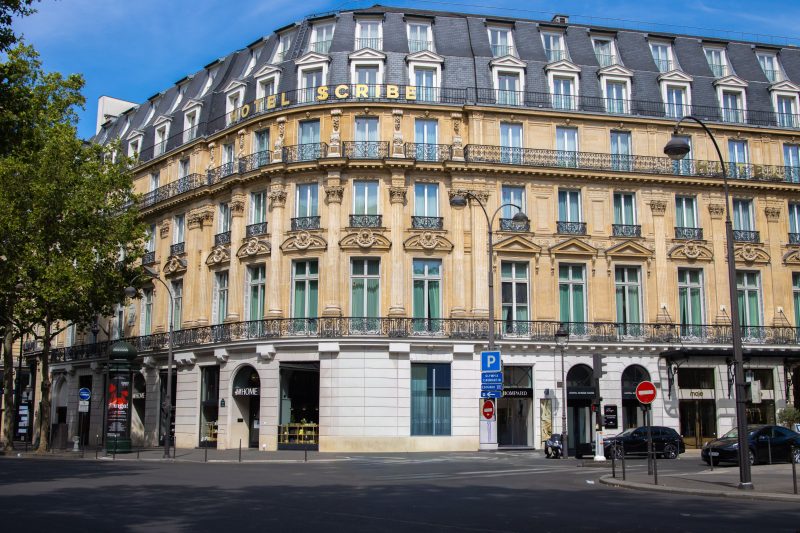
Europe’s best luxury breaks are not just about sleeping in a beautiful room. The memorable ones make it easy to move from a considered breakfast to a landmark dinner, with a distinct city outside the hotel doors. These 12 destinations offer that combination, whether you want classical service, inventive tasting menus or a table with a view.
One useful distinction: a five-star hotel and a celebrated restaurant are separate decisions. A great hotel can make the stay effortless; the right dinner gives it a sense of place. Book the restaurant first when it is the main event, then choose a hotel that makes the evening simple.
Paris: the palace-hotel benchmark
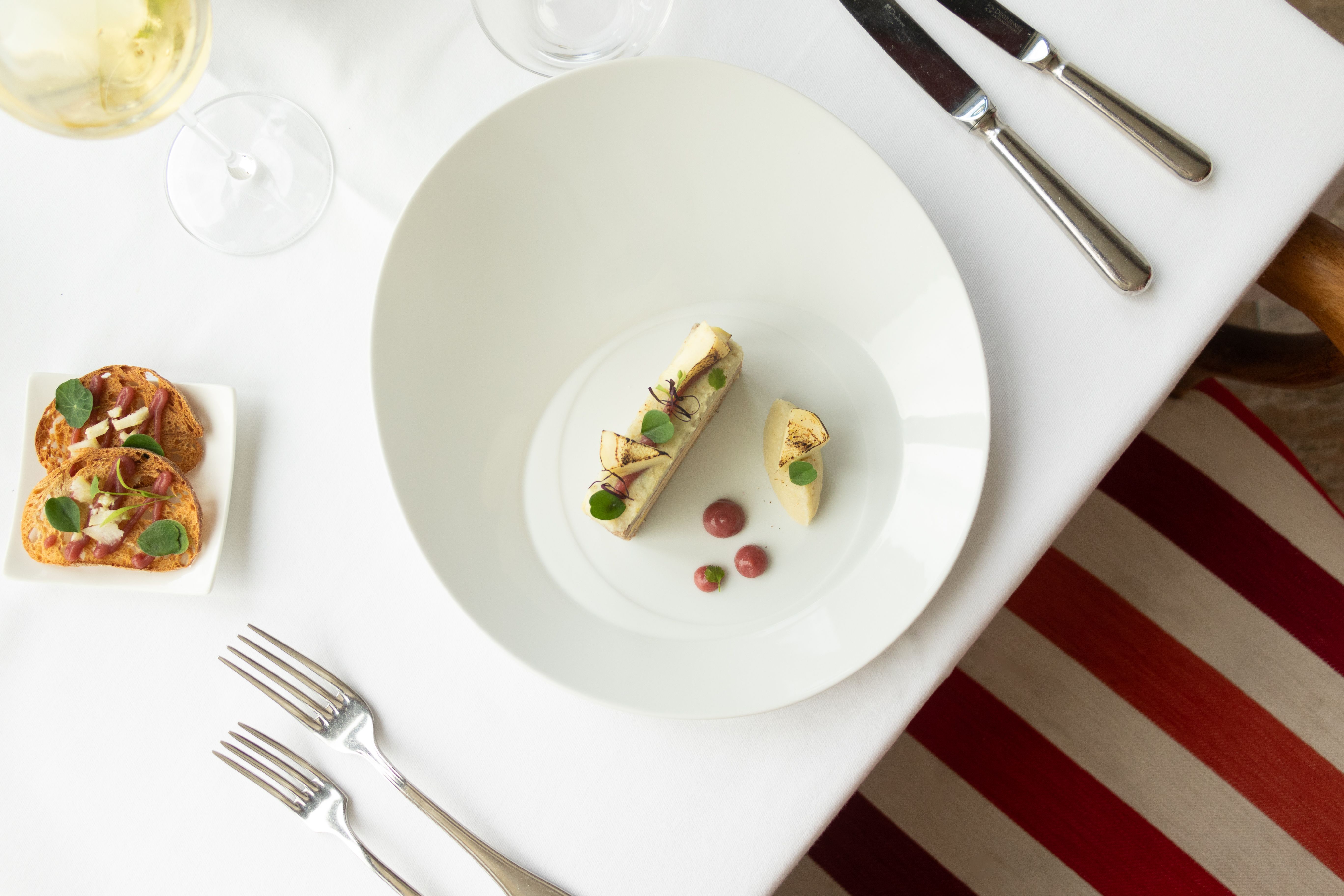
Paris makes a strong case for the classic combination: stay at Le Bristol Paris and reserve Epicure for a polished, celebratory meal. The MICHELIN Guide’s 2026 Paris selection is a useful starting point, but the city’s bistros and wine bars are part of the pleasure too.
London: grand hotels, global kitchens
The Connaught puts Mayfair at your doorstep and Hélène Darroze at The Connaught inside your evening plans. London suits travellers who want impeccable hotel service without eating the same cuisine twice; Indian, Cantonese and modern British restaurants all sit comfortably in the city’s luxury orbit.
Copenhagen: design-led and quietly assured
Hotel d’Angleterre is a stately base for exploring a dining scene that prizes precision and seasonality. Pair it with Marchal for a convenient in-house dinner, or venture across town for contemporary Nordic cooking. Copenhagen’s appeal is restraint: the best meals feel inventive without turning dinner into a performance.
Milan: fashion, craft and a very good table
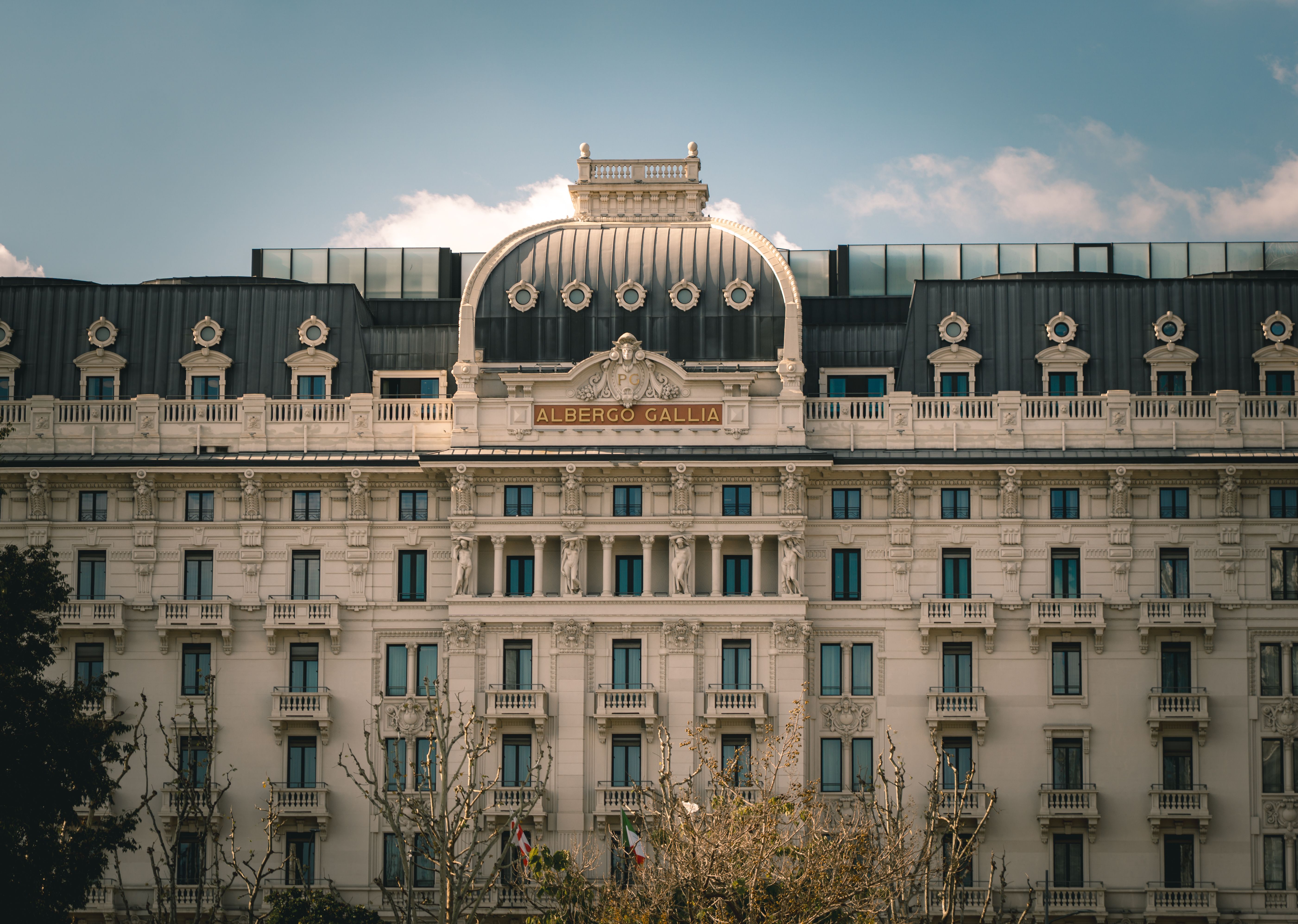
Choose Mandarin Oriental Milan for a refined Brera address, then book Seta by Antonio Guida for contemporary Italian cooking with international touches. Milan rewards a little planning: the hotel is near La Scala and the fashion district, so it works equally well for a culture-focused or shopping-heavy visit.
Venice: make the hotel part of the view
The Gritti Palace gives a Venetian stay a strong sense of theatre, while its Club del Doge restaurant keeps the lagoon close to the table. Here, luxury is as much about location and atmosphere as a formal tasting menu. Allow time to enjoy the canals between reservations rather than treating the city as a backdrop.
Florence: Renaissance surroundings, Tuscan ingredients
Four Seasons Hotel Firenze offers a peaceful garden setting within the city, and Il Palagio makes staying in for dinner a credible choice. For a longer evening, Florence’s wine bars and trattorias provide a welcome counterpoint to formal dining: Tuscan cooking can be luxurious without being elaborate.
Rome: rooftop dining earns its place
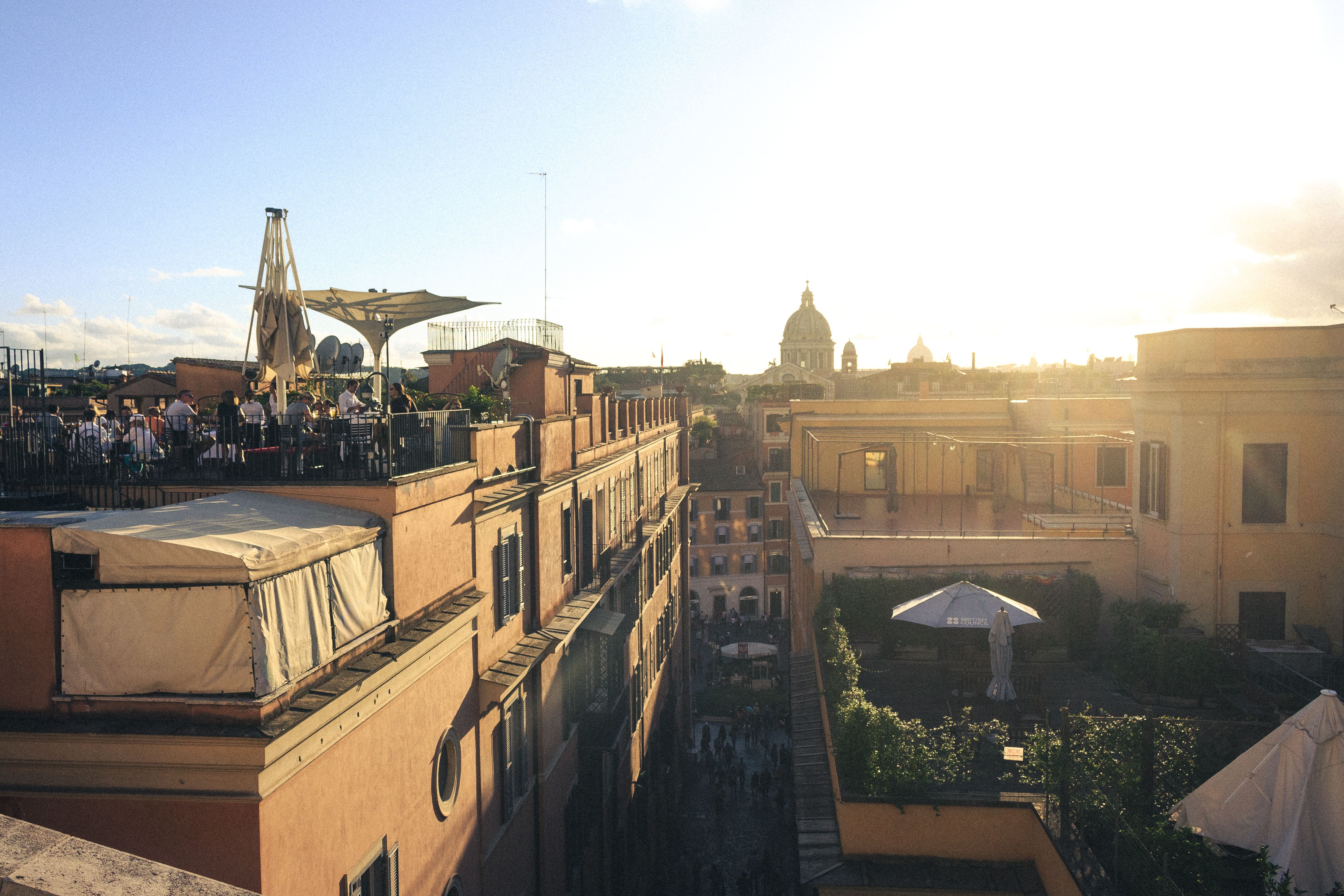
Rome Cavalieri pairs resort-style space with La Pergola, where the rooftop setting makes the view part of the occasion. The MICHELIN Guide’s Rome restaurants-with-a-view list also points to alternatives such as Aroma and Imàgo. Choose the hotel for a retreat; choose the restaurant for the skyline.
Barcelona: modern luxury with Catalan character
Mandarin Oriental, Barcelona is a sleek base on Passeig de Gràcia, with Moments offering an elegant in-house dining option. Leave room for the city’s more casual side, too: a market lunch or a late tapas crawl can be more revealing than another long tasting menu.
Madrid: a capital built for lingering
Mandarin Oriental Ritz Madrid brings historic grandeur close to the Prado, while Deessa makes dinner easy to plan without leaving the property. Madrid’s late rhythm is part of its appeal; keep the afternoon flexible and expect the evening to unfold at a gentler pace.
Vienna: polished service and old-world pleasures
Hotel Sacher is the classic address, while Steirereck offers a more contemporary expression of Austrian ingredients. Vienna is particularly good for pairing one formal dinner with less elaborate pleasures: a coffeehouse stop, a market visit and a glass of wine in a traditional Beisl.
Munich: a refined base with Bavarian warmth
Bayerischer Hof balances a central location with the comfort of a grand hotel; Atelier is a natural choice for a special dinner. For a broader stay, Worthly’s Munich and Frankfurt corporate-stay guide covers the city beyond the dining room. Visitors seeking private companionship may also consider a München escort service.
Stockholm: waterfront elegance, Nordic focus
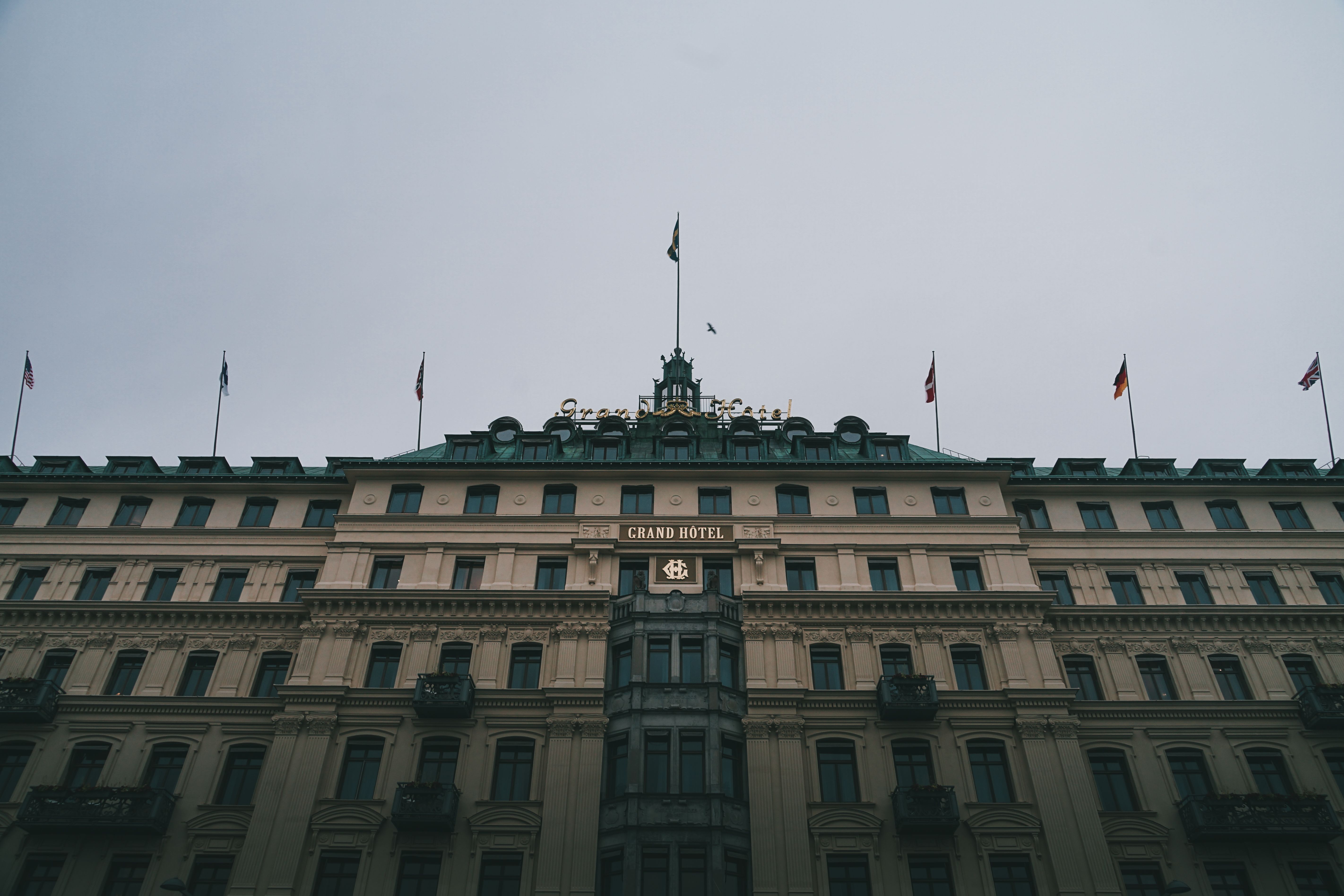
Grand Hôtel Stockholm looks across the water toward the Royal Palace, and its dining options make it more than a room with a view. The MICHELIN Guide’s Stockholm itinerary highlights the hotel’s Matbaren and Seafood Gastro, a useful reminder that fine dining need not mean one rigid format: choose a lively bistro or a more formal seafood menu.
My shortlist for a first luxury food trip: Paris for its depth, Rome for the setting, and Stockholm for the unusually easy hotel-and-restaurant pairing. Whichever city you choose, make the reservation the anchor, then let the hotel and neighbourhood shape the rest of the stay.
