


Did you know that many middle market companies hold real estate worth 20 to 40 percent of their total enterprise value, yet often treat it as a passive line item on the balance sheet? If you are running a growing firm, that is a missed opportunity hiding in plain sight.
Real estate monetization for middle market firms is not about selling the building and walking away. It is about unlocking trapped capital, strengthening liquidity, and redeploying funds into higher return business operations. When done correctly, it can sharpen your balance sheet and support long term strategy without disrupting day to day operations.
Why real estate monetization matters for middle market firms
Middle market firms often sit in a unique position. They have meaningful property holdings, but not the same access to capital markets as large public companies. That makes smart capital allocation even more important.
Real estate monetization can help in several practical ways:
- It can free up capital that would otherwise remain tied to non core assets, allowing reinvestment into expansion, technology, or acquisitions.
- It can improve return on invested capital by shifting ownership risk to specialized investors.
- It can stabilize cash flow through structured lease agreements aligned with operational needs.
The goal is not to strip assets. The goal is to align real estate ownership with corporate strategy. When leadership views property as an active financial lever rather than a static asset, options expand quickly.

Understanding the core monetization structures
Before taking action, firms need to understand the mechanics behind real estate monetization. The most common structure for middle market firms is the sale leaseback.
Sale leaseback agreements
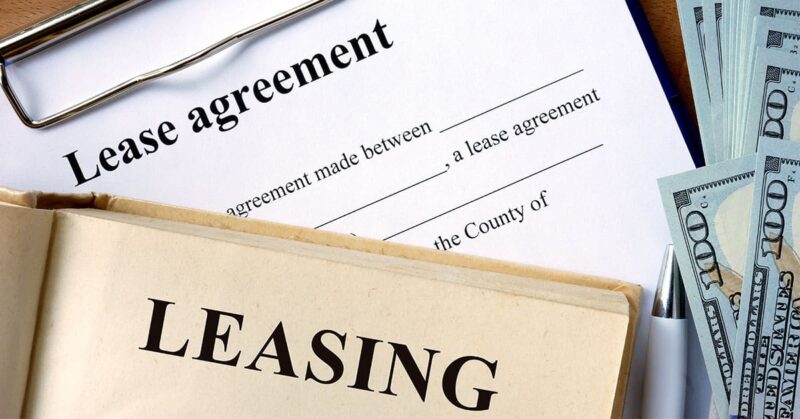
In a sale leaseback, the company sells its real estate to an investor and simultaneously signs a long term lease to remain in the property. Operations continue uninterrupted, but the capital tied up in the building is converted into cash.
Working with experienced net lease capital advisors can make a significant difference in structuring terms that protect operational flexibility while maximizing valuation. Firms that engage with specialized advisory groups often benefit from broader investor networks and tailored lease structures that reflect industry risk profiles.
Key considerations in a sale leaseback include lease duration, rent escalations, renewal options, and maintenance responsibilities. Each element directly affects long term cost and flexibility.
A sale leaseback converts illiquid real estate equity into deployable capital while preserving operational control through a long term lease.
That single sentence captures the essence of real estate monetization for middle market firms.
Financial impact and valuation considerations
Real estate monetization is not just a financing event. It directly influences valuation, leverage ratios, and investor perception. That is why financial modeling must precede any transaction.
Below is a simplified comparison of ownership versus sale leaseback:
|
Factor |
Owning Real Estate |
Sale Leaseback |
| Capital tied up | High | Low |
| Balance sheet impact | Asset heavy | Asset light, cash increase |
| Liquidity | Limited | Immediate liquidity |
| Operational control | Full | Controlled via lease |
After reviewing the table, leadership should model the impact on EBITDA, debt covenants, and weighted average cost of capital. Rent expense will affect earnings, but improved liquidity and reduced capital intensity may improve overall returns.
In some cases, real estate monetization can support a recapitalization strategy or position the company more attractively for private equity investment.
Operational alignment and risk management
A common concern is loss of control. That fear is understandable, especially for firms that view their facilities as mission critical.
The solution lies in careful lease structuring and scenario planning. Firms should evaluate:
- How long the property is essential to operations.
- What relocation flexibility is needed in five to ten years.
- How rent escalations compare to projected revenue growth.
Real estate monetization for middle market firms works best when leadership treats it as a strategic exercise, not a short term cash grab. A poorly structured lease can create long term rigidity. A well structured lease can provide predictable occupancy costs and operational continuity.
Due diligence also includes reviewing zoning, environmental compliance, and building condition. Investors will price risk carefully, and surprises during underwriting can erode value.

Closing thoughts
Finally, communicate with stakeholders. Lenders, investors, and senior managers need to understand how the transaction aligns with growth plans.
Real estate monetization for middle market firms is most successful when it is integrated into long term capital strategy, not executed in isolation.
Capital efficiency is no longer optional in a competitive environment. Middle market firms that actively manage their real estate portfolios often gain flexibility, strengthen liquidity, and position themselves for sustained growth. When approached thoughtfully, monetization becomes less about selling a building and more about unlocking strategic potential embedded in the balance sheet.
